
With the onset of Winter, that slight nip in the air is a chilly reminder to check your central heating systems. Following a period of hibernation, your boiler and radiators may present a few ‘hiccups’ when switched on. In general, throughout the summer, it is a good idea to switch on the heating once a week for half an hour. This may seem counterproductive, given that you wouldn’t actually require the heating but… well here in the U.K , you could quite easily experience a sunny morning followed by gale force winds and torrential rain! It can sometimes be difficult for home owners to work out whether the job requires a standard plumber or a heating engineer.
Here’s a short summary of what to do.
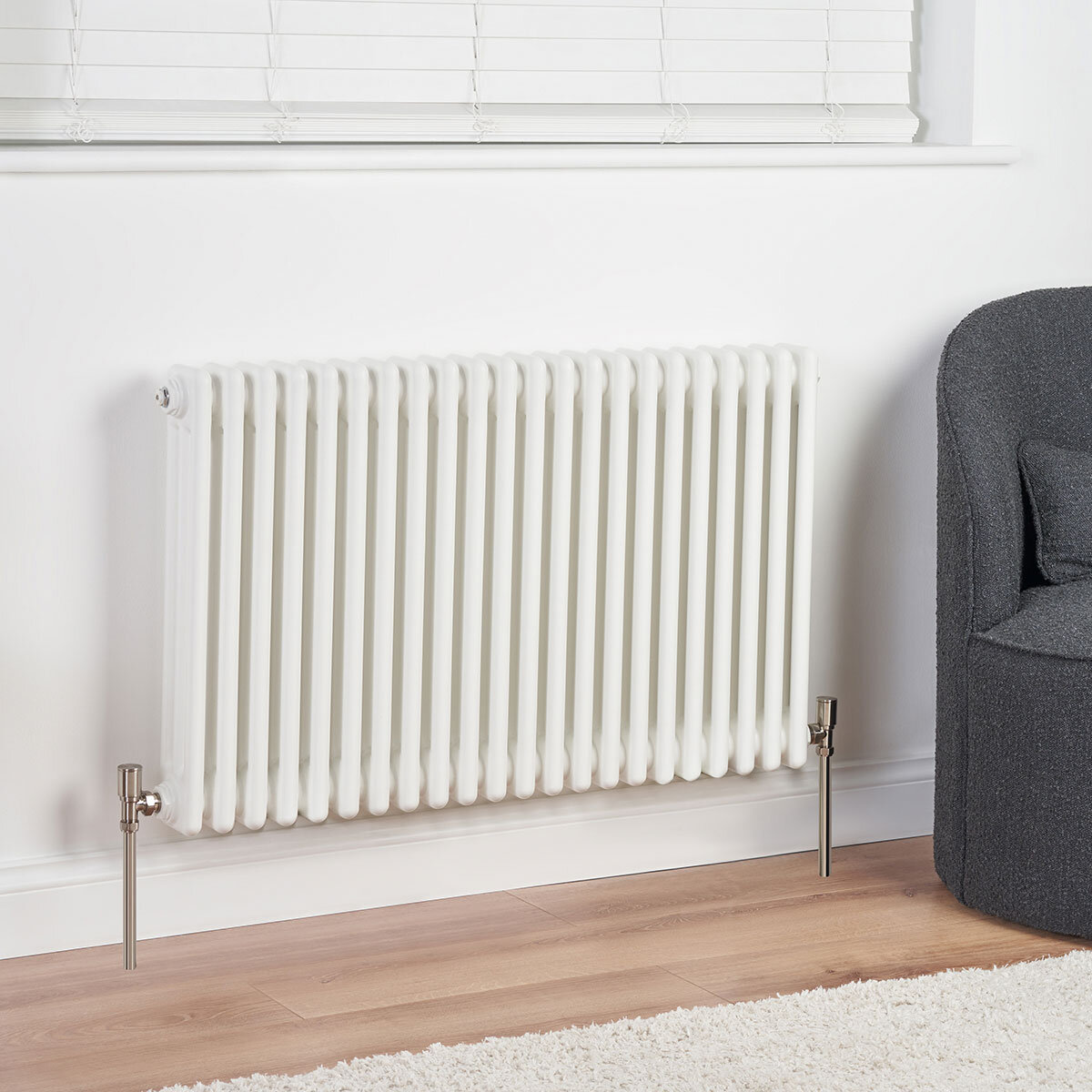
- Switch on the heating at the boiler. Allow approx thirty minutes to ensure that all radiators are warming up. In most situations, the last radiator to heat is the one which is located nearest to the boiler. Once this radiator is hot, it’s time to check all the rads in the house.
PROBLEM – one or more of the radiators are only just warm, not hot – there are a few causes for this. Firstly, check the TRV, the valve at the side of the radiator. Ensure it is opened to the highest number – it’s quite likely that in the warmer months, the radiator has been turned down. Check again in ten minutes time. If the radiator is not completely hot, feel the bottom and the top. If it is hot at the bottom but cold at the top, this is a common issue which is simple to fix. There is a trapped air within the radiator which once released will enable the heat to spread. This is a job which you can easily do without calling a plumber. Your local DIY store will stock an inexpensive ‘radiator bleed key’, Once you have this, at the top of the radiator you will see a hexagon or square shaped nut. Affix the key and turn one quarter – PLEASE BE AWARE, A SMALL AMOUNT OF WATER WILL BE RELEASED – PLACE A TOWEL UNDERNEATH THE RADIATOR. You should be able to hear a hissing noise as the air escapes. Continue until you can no longer hear the hiss and the water has stopped dripping. Return the nut to it’s original position. The rad should instantly start to heat up.
PROBLEM – radiator is leaking. Rads which haven’t been used or check for a while are susceptible to rust, fractures and pinhole formation. There may be a build up of rust and debris inside the radiator, in which case the best option is to remove and replace. You do not need a gas engineer for this as there is no requirement to work on the boiler. The radiator needs to be isolated from the main supply, disconnected and a new one put in place. You do not need a Gas Safe plumber for this job.
PROBLEM – the boiler is firing up but the radiators are not heating up. There could be several reasons for this. Firstly, check the set temperature on the boiler in case it’s been lowered during the summer. If the temperature is set correctly, this is likely to be an issue where you would need a boiler inspection. This needs to be carried out by a qualified Gas Safe plumber. It could be that the system has sludge residue and will need flushing – it could also be a number of issues such as a faulty pump in the boiler.
The Plumber, Blackpool have a number of Gas Safe registered engineers we work with – call us today if you need assistance with your heating system.